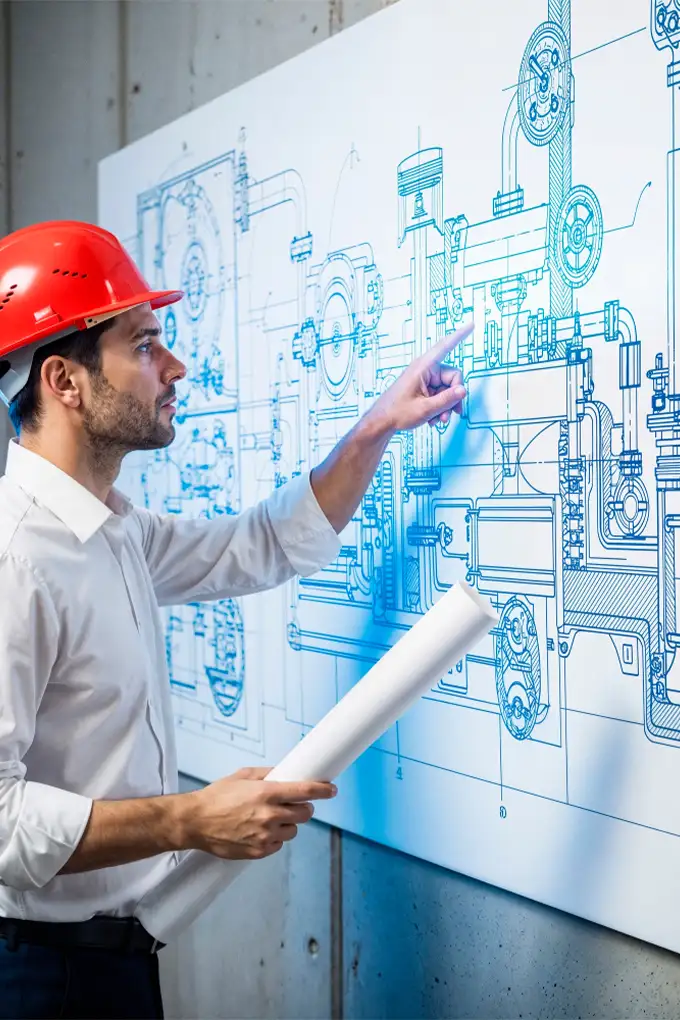
Facility engineering focuses on the design, operation, maintenance, and optimization of building systems, including HVAC, electrical, plumbing, fire safety, automation, and energy management systems. Facility engineers play a critical role in ensuring uninterrupted operations, occupant comfort, and regulatory compliance. Their responsibilities span preventive maintenance, asset management, system integration, and lifecycle cost optimization—making them essential across both public and private infrastructure.
Germany is widely regarded as a leader in facility engineering education and smart building innovation, supported by its strong engineering culture and advanced infrastructure ecosystem. The country places significant emphasis on energy-efficient buildings, intelligent facility management systems, Industry 4.0 integration, and digital building operations. German universities and research institutions actively collaborate with industry to develop expertise in building automation, predictive maintenance, and sustainable facility operations, positioning Germany as an attractive destination for facility engineering studies.
With buildings accounting for nearly 40% of global energy consumption, there is increasing global focus on optimizing facility performance to reduce energy usage and environmental impact. This has accelerated the adoption of green buildings, smart energy systems, and data-driven facility management solutions. Germany’s stringent energy efficiency standards and leadership in sustainable infrastructure make it a benchmark country for future-oriented facility engineering education.
The German facility management and construction services sector benefits from strong public and private investment in innovation and workforce development.

 Malaysia