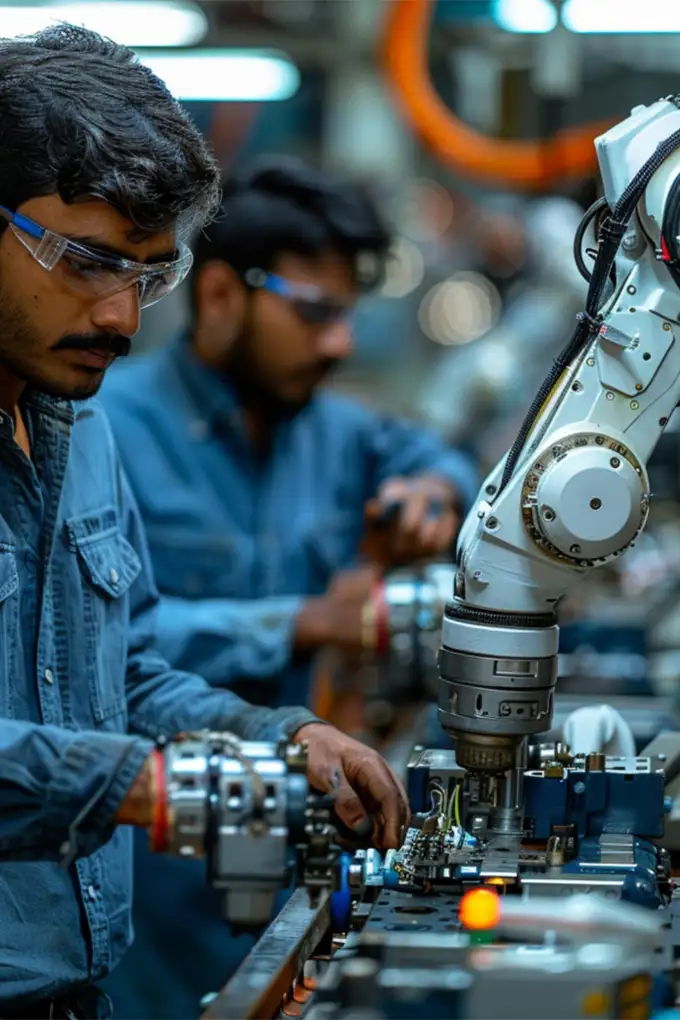
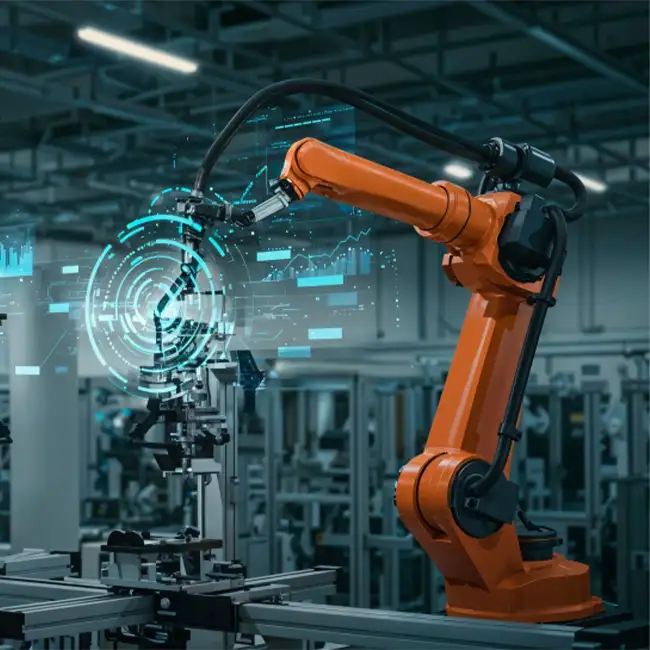
With the rapid convergence of mechanical systems, electronics, computing, and automation, mechatronics engineering has emerged as one of the most interdisciplinary and future-oriented engineering disciplines. It forms the technological backbone of modern industries such as robotics, automation, automotive systems, aerospace, medical devices, smart manufacturing, and industrial machinery. Across Europe, increasing adoption of intelligent systems and digital factories has created strong demand for skilled mechatronics engineers.
Mechatronics engineering focuses on the integrated design, development, and optimization of intelligent systems, combining mechanical engineering, electronics, control systems, and computer programming. Mechatronics engineers work with robotics, sensors and actuators, embedded systems, PLCs, industrial automation, AI-enabled machines, and cyber-physical systems. Their multidisciplinary expertise allows them to design systems that are precise, efficient, adaptive, and highly reliable—making them essential in advanced manufacturing and automation environments.
Germany is globally recognized as a leader in mechatronics engineering and industrial automation, supported by its strong manufacturing base and excellence in engineering innovation. The country is at the forefront of Industry 4.0, emphasizing smart factories, robotics, digital twins, and intelligent production networks. German universities and research institutions maintain close collaboration with industry, ensuring that mechatronics education is highly practical, application-oriented, and aligned with real-world industrial requirements.

 Malaysia