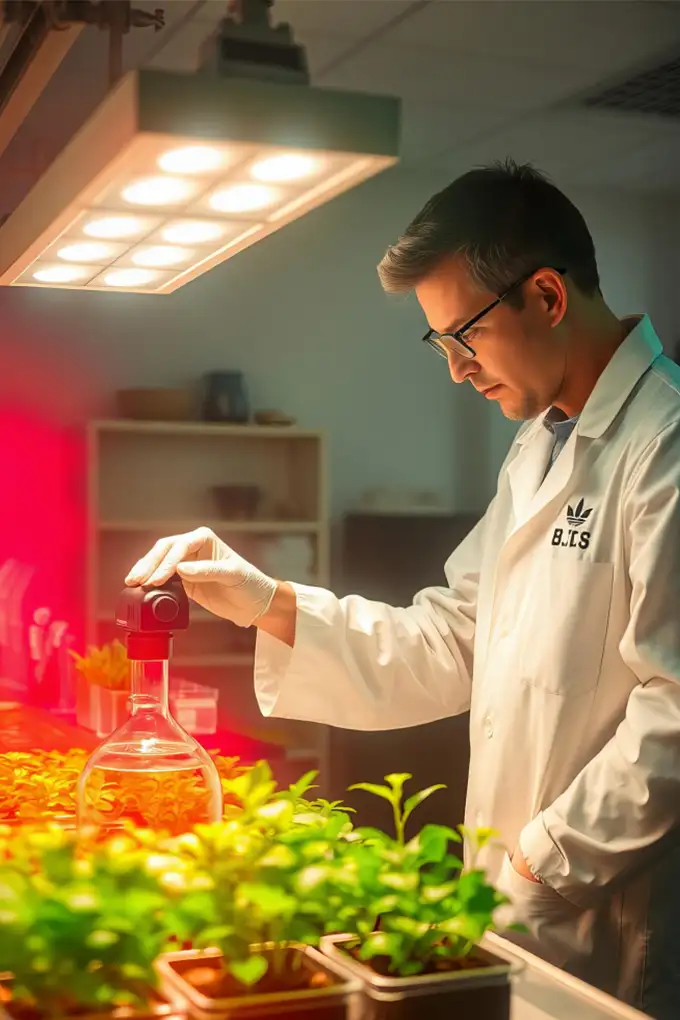
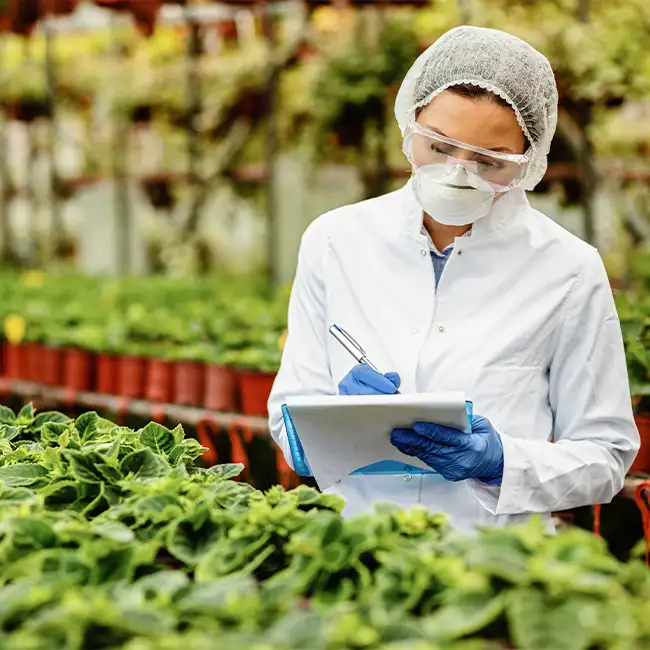
With the growing global demand for safe, nutritious, and sustainably produced food, food technology engineering has emerged as a vital and future-oriented engineering discipline. Modern food systems rely heavily on advanced processing, preservation, quality control, and packaging technologies to meet the needs of a rapidly growing population. Across Europe, increasing focus on food safety, sustainability, and innovation has created strong demand for skilled food technology engineers in food processing industries, research organizations, and regulatory bodies.
Food technology engineering focuses on the design, development, and optimization of food processing systems, integrating principles of engineering, microbiology, chemistry, and nutrition. Food technologists work on processes such as food preservation, thermal and non-thermal processing, fermentation, packaging technology, quality assurance, and food safety management systems. Their expertise ensures that food products meet strict quality standards, extend shelf life, and comply with international safety regulations while maintaining nutritional value and sensory quality.
Germany is internationally recognized as a leader in food technology education, food processing innovation, and food safety standards, supported by its strong agro-food industry and advanced research infrastructure. The country places significant emphasis on high-quality food production, automation in food processing, sustainable packaging, and traceability systems. German universities and research institutions collaborate closely with food industries, ensuring food technology engineering education is practical, research-driven, and aligned with global industry requirements.

 Malaysia