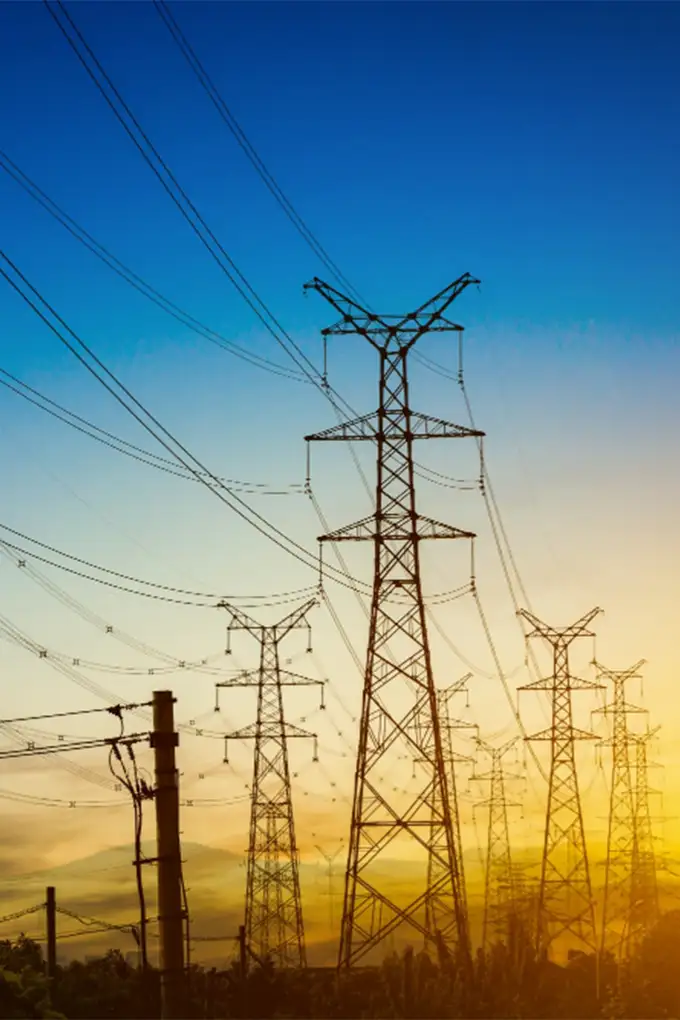
With the rapid expansion of electrification, renewable energy systems, and smart technologies, electrical engineering remains one of the most fundamental and high-impact engineering disciplines worldwide. From power generation and transmission to automation, electronics, and intelligent infrastructure, electrical engineering underpins modern industries such as energy, manufacturing, transportation, telecommunications, healthcare, and smart cities. Across Europe, the transition toward sustainable energy and digital infrastructure has created strong and sustained demand for skilled electrical engineers.
Electrical engineering focuses on the design, development, analysis, and management of electrical systems and equipment, integrating principles of power systems, electronics, control engineering, and signal processing. Electrical engineers work with technologies such as power generation and distribution systems, electrical machines, renewable energy integration, power electronics, automation systems, and industrial control technologies. Their expertise ensures efficient, safe, and reliable operation of electrical infrastructure across industrial and public sectors.
Germany is globally recognized as a leader in electrical engineering, power technology, and industrial automation, supported by its strong engineering culture and advanced industrial ecosystem. The country is at the forefront of renewable energy integration, smart grids, electric mobility, industrial automation, and energy-efficient power systems. German universities and research institutions maintain close collaboration with industry, ensuring electrical engineering education is highly practical, innovation-driven, and aligned with real-world industrial and energy-sector requirements.

 Malaysia