
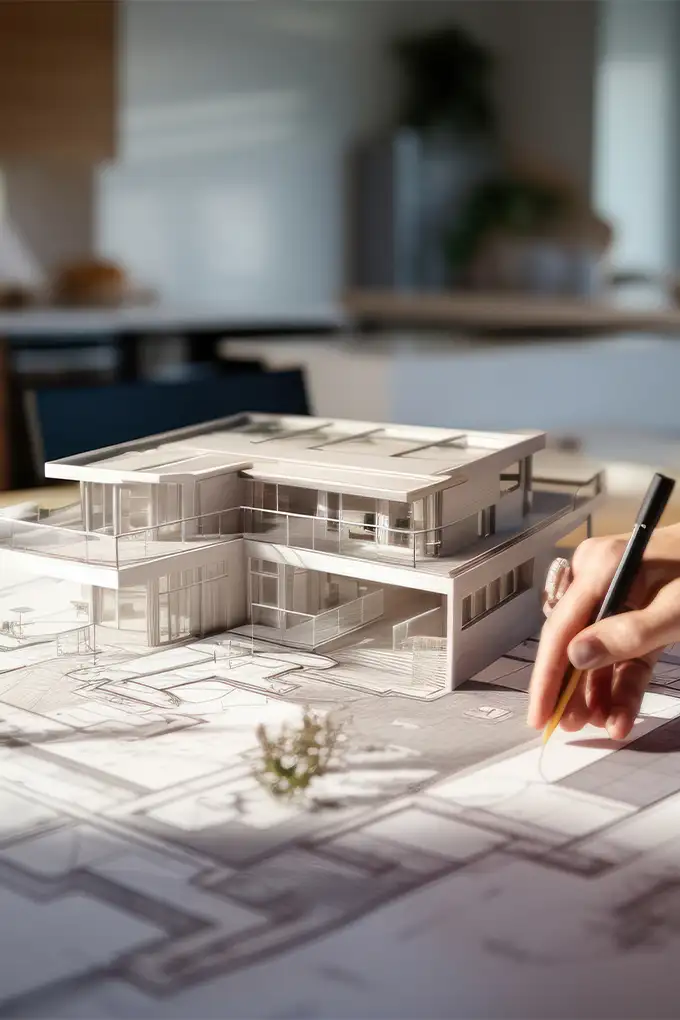
With rapid urbanization, smart city development, and increasing emphasis on sustainable construction, architectural engineering has emerged as a critical and future-oriented engineering discipline. It bridges the gap between architectural design and engineering execution, ensuring that buildings are not only aesthetically appealing but also structurally sound, energy-efficient, and technologically advanced. Across Europe, growing investments in urban infrastructure, green buildings, and large-scale public projects have created strong demand for skilled architectural engineers.
Architectural engineering focuses on the planning, design, integration, and performance optimization of building systems, combining architecture with structural, mechanical, electrical, and environmental engineering principles. Architectural engineers work on structural systems, building services (HVAC, lighting, electrical), acoustics, fire safety, and energy-efficient design, ensuring seamless coordination across all components of a building. Their expertise enables the creation of safe, functional, and sustainable built environments across residential, commercial, and institutional projects.
Germany is globally recognized as a leader in architectural engineering, sustainable construction, and building technology, supported by its strong engineering culture and advanced construction standards. The country places significant emphasis on energy-efficient buildings, passive house concepts, green architecture, and digital construction technologies such as BIM (Building Information Modeling). German universities and research institutions maintain close collaboration with the construction and real estate sectors, ensuring architectural engineering education is highly practical, innovation-driven, and aligned with real-world project requirements.
For studying in Germany


Every study program, whether it is Masters in Germany or any other course, has its own study conditions and curriculum.