
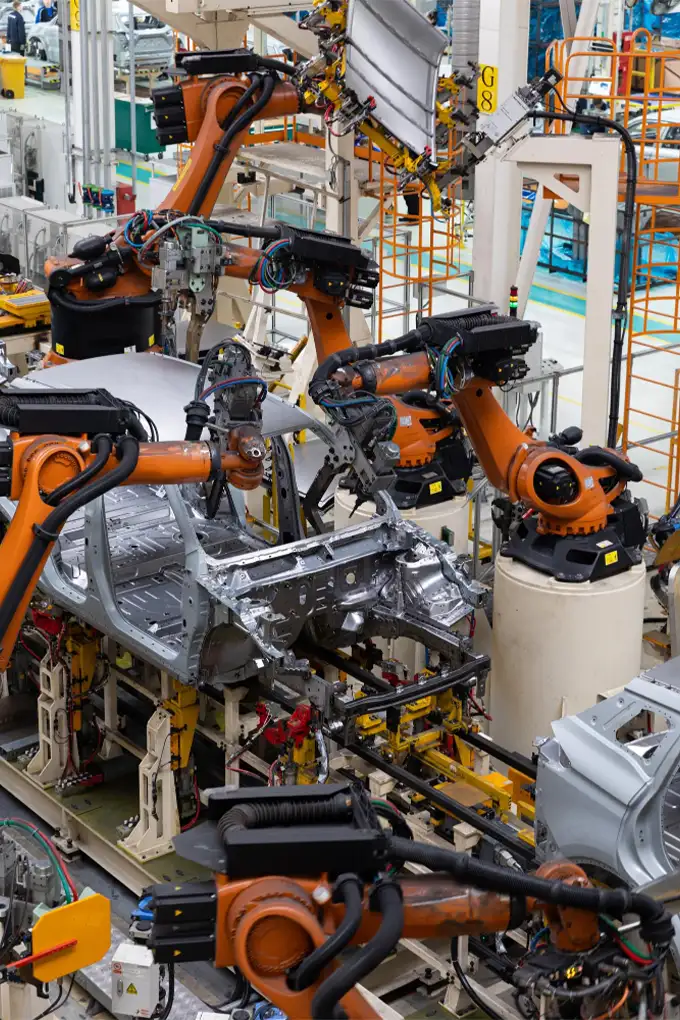
With the global automotive industry undergoing a profound transformation, automotive engineering has become one of the most dynamic and future-driven engineering disciplines. The shift toward electric mobility, autonomous driving, connected vehicles, and sustainable transportation is redefining how vehicles are designed, manufactured, and operated. Across Europe, strong demand for cleaner, smarter, and safer mobility solutions has created excellent career opportunities for skilled automotive engineers.
Automotive engineering focuses on the design, development, testing, and manufacturing of vehicles and automotive systems, integrating mechanical engineering, electronics, software, and materials science. Automotive engineers work on areas such as vehicle dynamics, powertrain systems, electric and hybrid vehicles, automotive electronics, embedded systems, safety engineering, and manufacturing processes. Their expertise ensures performance, efficiency, safety, and compliance with global automotive standards.
Germany is globally recognized as a powerhouse of automotive engineering and innovation, supported by its world-leading automobile manufacturers, suppliers, and research institutions. The country plays a central role in advancing electric vehicles (EVs), autonomous driving technologies, advanced powertrains, lightweight materials, and intelligent manufacturing systems.
For studying in Germany

Every study program, whether it is Masters in Germany or any other course, has its own study conditions and curriculum.