
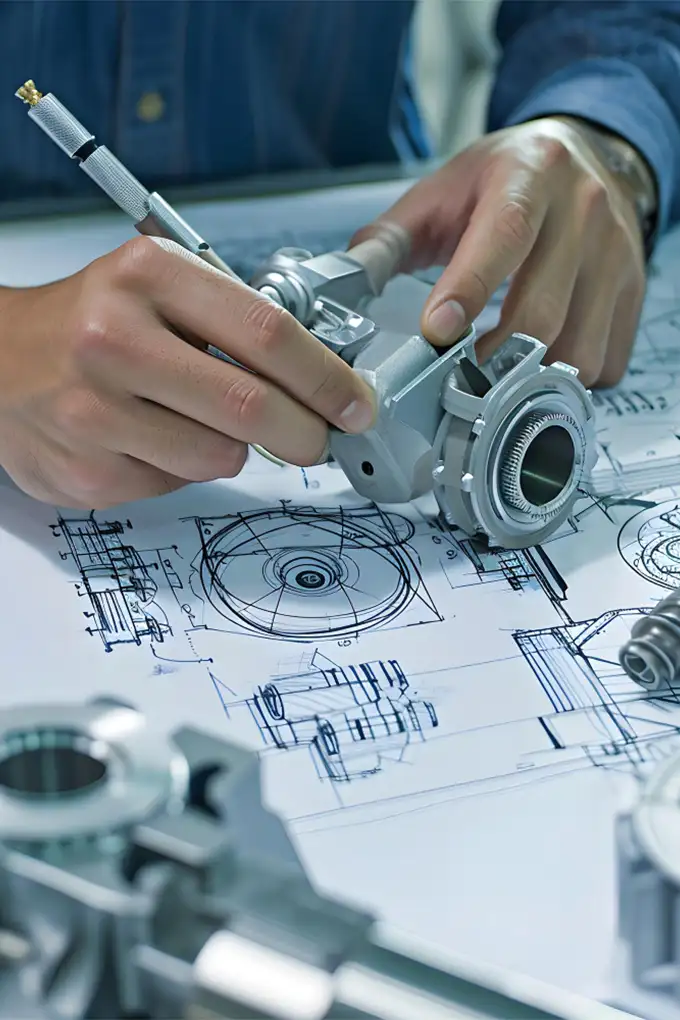
With rapid industrial advancement, automation, and technological innovation shaping the modern world, mechanical engineering remains one of the most versatile and in-demand engineering disciplines globally. It forms the backbone of industries such as automotive, aerospace, manufacturing, energy, robotics, and industrial machinery. Across Europe, continuous investment in advanced manufacturing, sustainable energy systems, and smart technologies has created strong and sustained demand for highly skilled mechanical engineers.
Mechanical engineering focuses on the design, analysis, manufacturing, and maintenance of mechanical systems, integrating principles of mechanics, thermodynamics, materials science, and control engineering. Mechanical engineers are responsible for developing machines, engines, tools, and systems that improve efficiency, reliability, and performance. Their expertise spans areas such as CAD/CAM design, robotics, thermal systems, fluid mechanics, production technologies, and industrial automation—making them essential across both traditional and emerging industries.
Germany is globally recognized as a leader in mechanical engineering and industrial excellence, renowned for its precision engineering, innovation-driven manufacturing, and strong export-oriented economy. The country is home to world-class industries in automobile manufacturing, industrial machinery, automation systems, and renewable energy technologies. German universities and research institutions maintain close collaboration with industry, ensuring mechanical engineering education is highly practical, research-oriented, and aligned with real-world industrial applications.
With increasing emphasis on energy efficiency, sustainable manufacturing, and climate-neutral technologies, mechanical engineering is playing a pivotal role in shaping environmentally responsible industrial solutions.
For studying in Germany
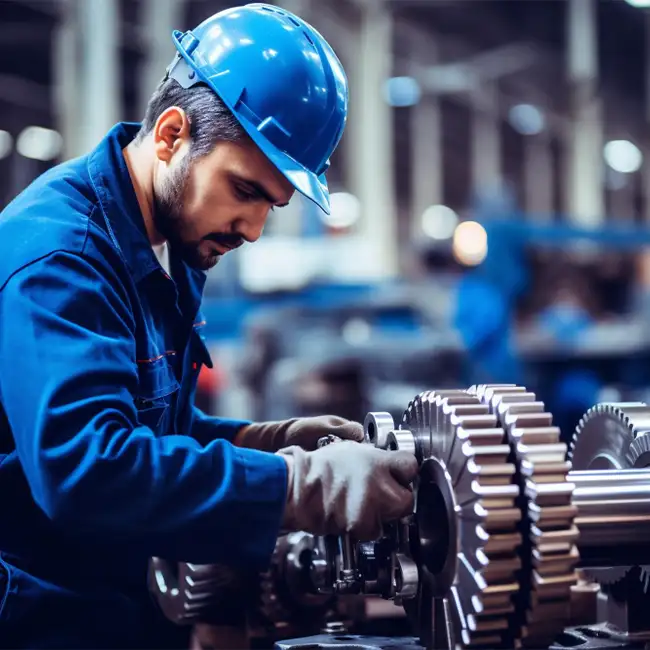

Every study program, whether it is Masters in Germany or any other course, has its own study conditions and curriculum.